
Author: PMCS

  • The Future of Power Management: From Static Correction to Intelligent Systems

    The Future of Power Management: From Static Correction to Intelligent Systems

    From Correction to Intelligence

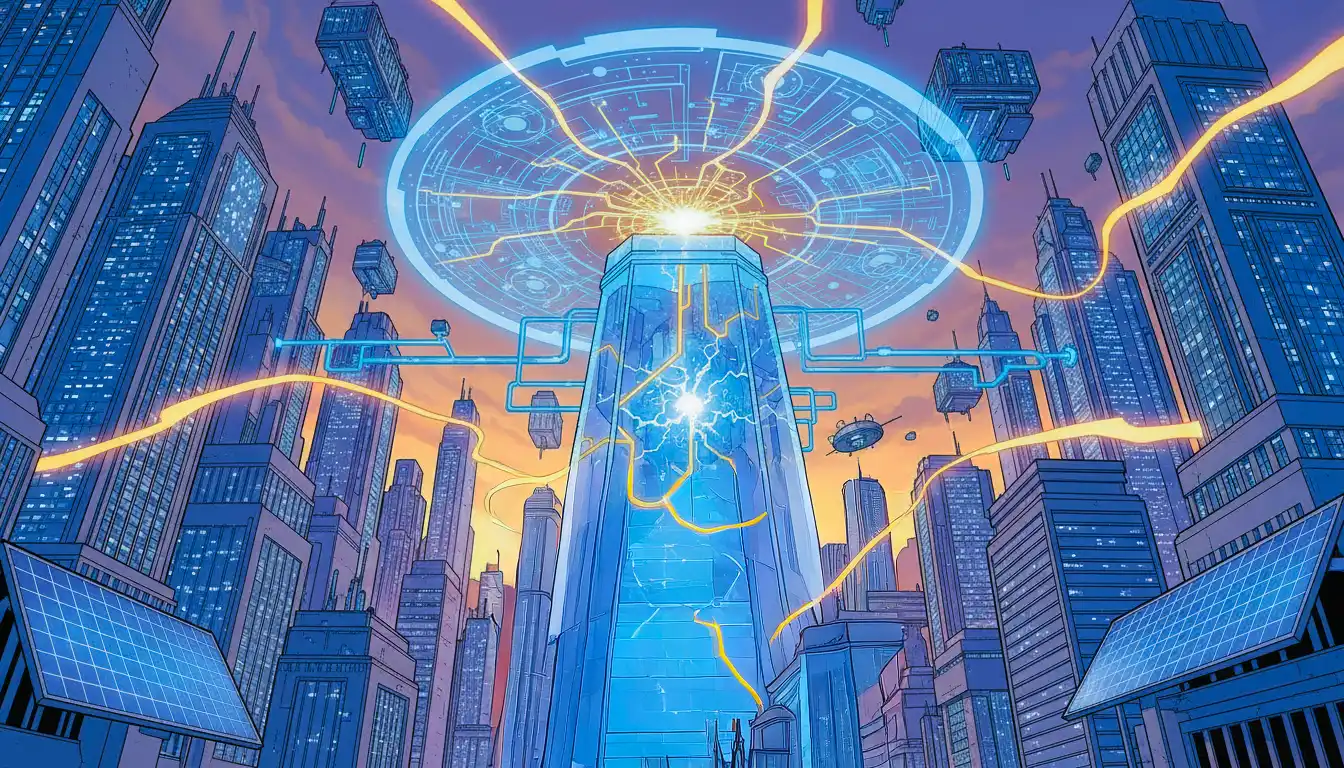
    Electrical networks are becoming more complex. Static correction methods can’t keep up with dynamic loads, renewables, and distributed generation.

    The Role of Intelligent Systems

    PMCS already uses advanced electronics and algorithms to optimize power in real time. Future enhancements—including AI-driven prediction—will further improve efficiency and resilience.

    What Comes Next

    The future of power isn’t just generation—it’s intelligence. PMCS is positioned to lead that transformation.

  • Why Electrical Capacity Is the New Bottleneck—and How Facilities Can Solve It Without Upgrades

    Why Electrical Capacity Is the New Bottleneck—and How Facilities Can Solve It Without Upgrades

    Electrical Capacity Is the Real Limiting Factor

    Across commercial, industrial, and institutional facilities, electrical capacity is becoming a critical bottleneck. While power generation continues to expand, the ability of existing infrastructure—transformers, panels, switchgear, and feeders—to support new loads is increasingly limited.

    From EV charging and electrification initiatives to data centers and HVAC upgrades, demand is rising faster than infrastructure can be expanded.

    Why Traditional Upgrades Are Expensive and Slow

    When facilities hit capacity limits, the default response is infrastructure expansion:

    • Larger transformers
    • New service feeds
    • Utility coordination
    • Construction downtime

    These projects are costly, disruptive, and often take months or years to complete. In many cases, facilities are forced to delay growth or defer sustainability initiatives simply because the electrical system cannot support additional load.

    The Hidden Truth: Most Facilities Already Have Untapped Capacity

    What many organizations don’t realize is that electrical capacity is often wasted, not fully utilized. Excess current, poor power factor, harmonic distortion, and reactive power inflate kVA demand without delivering useful work.

    In other words, facilities appear “maxed out” on paper—but in reality, a significant portion of their electrical capacity is being consumed by inefficiency.

    How PMCS Unlocks Capacity Without Infrastructure Changes

    PMCS addresses capacity constraints by reducing the electrical waste that inflates demand. By dynamically matching source and load impedance in real time, the PMCS Maximum Power Transfer Solution (MPTS) lowers:

    • Line current
    • kVA and kVAr demand
    • Peak load conditions

    This releases up to 20% of hidden electrical capacity, allowing facilities to add new loads, downsize backup generation, or export excess power—without replacing transformers or upgrading service connections.

    Capacity Relief That Scales With Demand

    Unlike static solutions, PMCS adapts continuously as loads change. Whether a facility is adding EV chargers, expanding operations, or integrating renewable energy, MPTS ensures the existing electrical network operates as efficiently as possible.

    This makes PMCS not just an efficiency tool, but a strategic capacity solution for modern electrification challenges.

    A Smarter Path Forward

    As energy demand continues to rise, solving capacity constraints will require more than building new infrastructure. The fastest, most cost-effective solution is to eliminate waste first.

    PMCS enables facilities to do exactly that—turning efficiency into available capacity and helping organizations grow without delay.