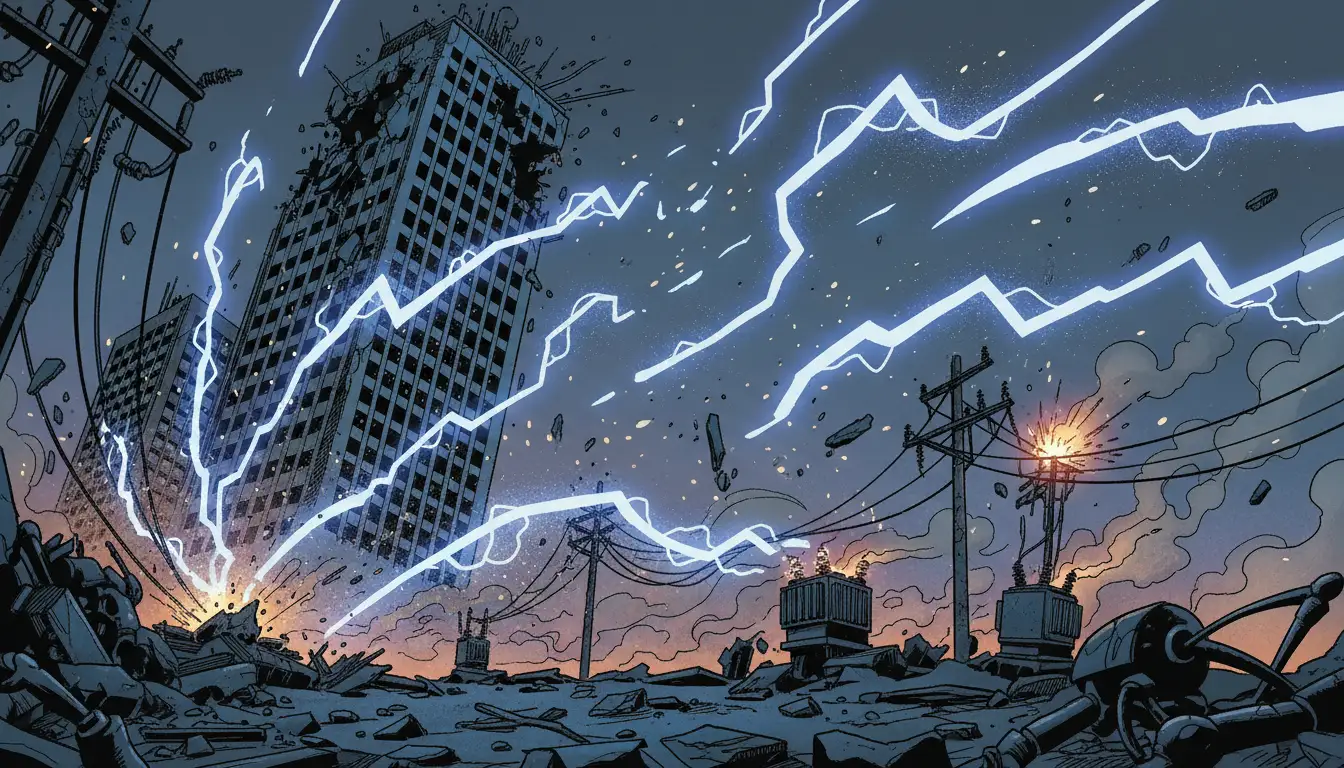
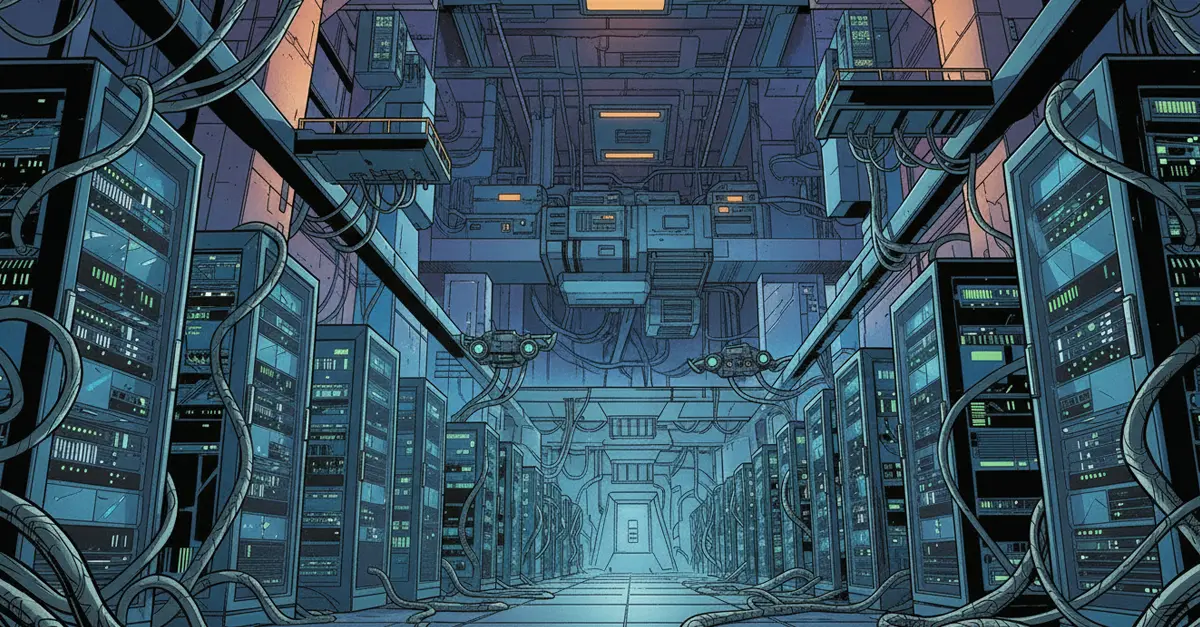
The data center industry is currently navigating an unprecedented period of demand, driven by the rapid scaling of AI and cloud services. However, as operators look to expand, they are increasingly meeting a hard ceiling: utility grid constraints and the physical limits of power distribution. In this environment, growth is no longer just about building more square footage. It is about maximizing the yield of every watt already entering the facility.
For leadership focused on Net Operating Income (NOI) and asset utilization, the primary obstacle to yield is often stranded capacity, which is the disconnect that occurs when power limitations prevent the full utilization of a facility’s physical footprint. This leaves expensive, unmonetizable real estate on the table simply because the existing power infrastructure cannot support the additional load.
The Strategic ROI of Power Efficiency
Maximum Power Transfer System (MPTS) technology addresses this core inefficiency. By deploying MPTS on both the supply and load sides of each modular segment, operators can reclaim approximately 20% of their energy capacity.
This reclaimed power has a direct impact on the organization’s financial health:
- Revenue Optimization: Freeing up 20% of power capacity allows for a corresponding increase in sellable product, such as racks and processing, within the existing footprint.
- CapEx Efficiency: Reclaiming capacity allows you to defer the massive capital expenditures required for new facility expansion.
- Enhanced Stock Value: For a typical operator, a 2% improvement in NOI through efficiency can lead to a significant lift in company valuation, providing immediate appeal to CFOs and investors.
Technical Reliability and Thermal Management
The technical advantages of MPTS directly translate into reduced operational risk. In a data center, heat is the enemy of uptime. MPTS technology can reduce system operating temperatures by up to 20°F (12.5°C). This cooling effect reduces the burden on HVAC systems, extends the lifecycle of expensive server components, and lowers the facility’s overall energy overhead.
Unlike traditional monitoring systems that simply report issues, MPTS is an active control system. It identifies and corrects electrical waste, such as reactive power and harmonics, every 5 microseconds. This ensures that the power reaching your equipment is as clean and efficient as possible.
Engineered for Resilience and Redundancy
A primary concern for any executive is the risk of downtime. MPTS architecture is engineered specifically for always-on environments:
- Non-Invasive Parallel Installation: MPTS units are connected in parallel to the main power supply. This means the unit is not a single point of failure. The primary power path remains physically independent.
- Isolated Impact: If an MPTS unit requires maintenance, which it seldom does, the servers’ power supply remains unaffected. The facility simply reverts to its original efficiency levels until the unit is serviced.
- Multi-Layer Redundancy: Each unit features four internal layers of power protection. With a hot-standby unit on-site, a full swap can be completed in as little as 15 to 60 minutes, depending on the facility layout.
| Category | Executive Impact |
|---|---|
| Capacity | Reclaims ±20% of power to monetize stranded space. |
| Financials | Increases NOI and boosts stock value with no new infrastructure CapEx. |
| Thermal | Cools equipment up to 20°F, reducing HVAC load and heat-related failures. |
| System Resilience | Fail-safe parallel architecture with 4 layers of power protection. |
| Design | Simplifies infrastructure by reducing the need for standalone filters and banks. |
| Sustainability | Directly reduces CO2 emissions and improves ESG alignment. |
Performance Guarantees
To ensure technical and financial confidence, MPTS adoptions include performance guarantees. If the promised energy and power performance metrics are not met, a full refund of all payments is guaranteed. This risk-free model allows operators to validate the technology in a pilot segment or testbed before a full-scale rollout.
Optimize Your Data Center’s Performance
Stop leaving revenue on the table due to stranded power capacity. Contact PMCS Global today to learn more about how our UL and DoD-certified MPTS technology can transform your facility’s profitability and efficiency.