

Category: Energy & Infrastructure

  • Optimizing Cold Storage: Real-Time Power as a Strategic Advantage 

    Optimizing Cold Storage: Real-Time Power as a Strategic Advantage 

    Cold storage operators can reduce electrical demand by 10% to 25% and lower overall energy consumption by up to 8% by transitioning from reactive power fixes to real-time system optimization. This shift is achieved through the Maximum Power Transfer Solution (MPTS), which uses high-speed impedance matching to sync heavy refrigeration loads with the grid. For a typical 20-MW facility, this translates to nearly $2 million in annual savings and a 50% extension in the lifespan of critical compressors, all while recovering the electrical capacity needed for increased automation. 

    The Efficiency Gap in Modern Cold Chain 

    The cold storage industry is entering a correction phase, with tightening margins and a 10% market oversupply forcing operators to prioritize efficiency over physical expansion. At the same time, high-growth sectors like pharmaceuticals and biologics demand extreme precision and power reliability. 

    Refrigeration compressors are the most energy-intensive assets in these facilities, often accounting for 65% of total electricity use. These compressors, along with evaporator fans and automated systems, rely on motors and variable-frequency drives that introduce electrical noise and reactive power into the system. This waste clogs electrical infrastructure, generates heat, and forces the facility to draw more power than it uses. 

    Moving Beyond Fragmented Fixes 

    Historically, facility managers have addressed power issues using a fragmented approach. They install standalone noise filters, capacitor banks for power factor, and various monitoring tools to track symptoms. This method increases maintenance burdens and complexity without addressing the root cause: the constant mismatch between the facility’s shifting demand and the grid’s supply. 

    MPTS changes this model by acting as a Power Management Control System (PMCS). Instead of treating individual symptoms, it dynamically optimizes the entire electrical environment. It senses the building’s electrical signature every millisecond and adjusts it to be the perfect functional opposite of the grid. This synchronization ensures that the maximum amount of energy is converted into cooling power rather than being lost to heat or vibration. 

    Performance Comparison: Traditional vs. MPTS 

    FeatureTraditional Methods (Capacitors/Filters)MPTS (Power Management Control)
    Response30 Seconds to 3 Minutes5 Milliseconds
    Power Factor0.85 to 0.92 (Displacement only)0.99 (True Power Factor)
    Harmonic MitigationEach 3 levels require separate  active/passive filtersIntegrated active suppression Levels 2-50 (3,000Hz)  
    Demand ReductionMinimal (3% to 5%)Significant (10% to 25%)
    System VisibilityBasic meteringReal-time waveform analysis
    MaintenanceHigh (Capacitors degrade/leak)Low (Solid-state reliability)
    Impact on MotorsLimited to power factorReduces heat and vibration by 30%

    Tangible Operational Impacts 

    Implementing real-time impedance matching delivers measurable results across the facility’s bottom line: 

    • Demand Reduction: Improving power factor from typical levels of 0.80 to near-perfect 0.99 can reduce kVA demand by up to 25%. 
    • Asset Protection: Reducing transformer losses by 30% and suppressing electrical noise can extend the life of expensive refrigeration assets by 20% to 50%. 
    • Capacity Recovery: By lowering the total current draw, facilities free up power within their existing transformers. This allows for the addition of new automation or throughput without the need for costly grid upgrades. 

    The Sustainability Mandate 

    Energy is among the highest controllable costs in cold storage and the primary driver of a facility’s carbon footprint. A single 1-MW reduction in continuous load can eliminate approximately 3,500 tons of CO2 annually. For global operators with hundreds of facilities, this represents a massive opportunity for ESG compliance and sustainability reporting, which is backed by direct financial ROI. 

    Is your refrigeration infrastructure operating at peak efficiency?

    Contact our team today for a site-specific Power Alignment Audit to identify your hidden capacity and start reducing your annual energy spend. 
  • Maximizing Infrastructure Reliability and Efficiency in Solar-Integrated Facilities

    Maximizing Infrastructure Reliability and Efficiency in Solar-Integrated Facilities

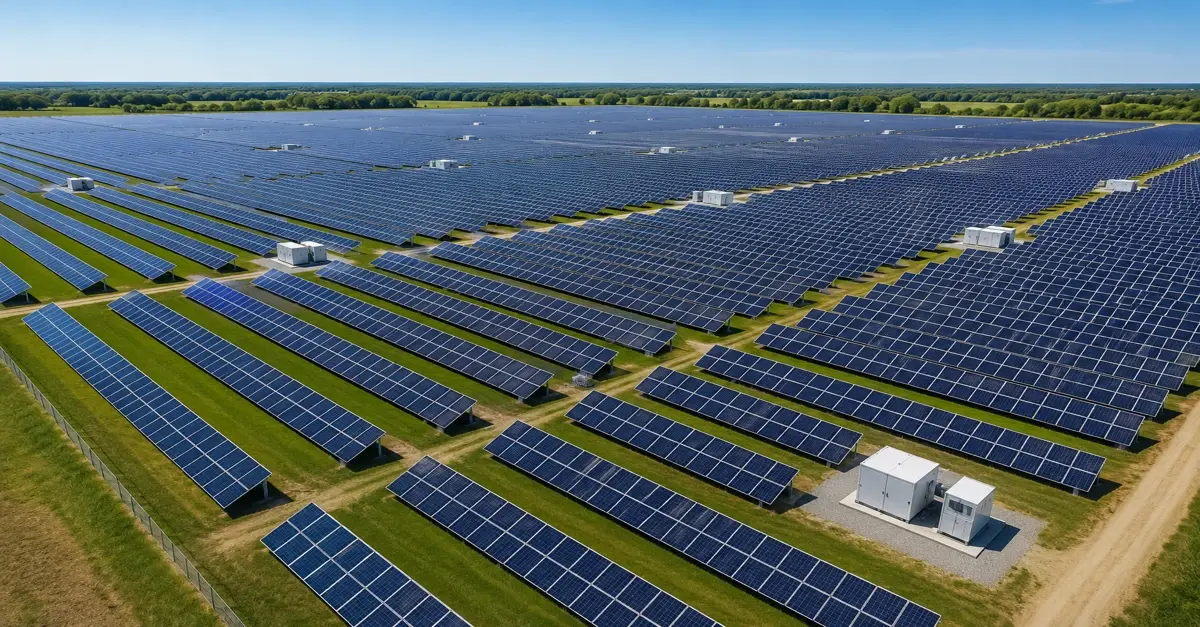
    The integration of solar photovoltaic (PV) systems, high-efficiency lighting, and variable-speed drives represents a significant step toward corporate sustainability. However, these advanced technologies introduce a specific type of electrical inefficiency known as harmonic distortion. If left unmanaged, these harmonics create a hidden drain on operational budgets and reduce the lifespan of critical power infrastructure.

    The Operational Challenge: Electrical Harmonics

    Modern electrical systems no longer draw power in a simple, linear fashion. Equipment such as solar inverters and LED drivers draws current in pulses, creating “noise” or harmonics that circulate through a building’s wiring. This noise does not perform practical work; instead, it generates excess heat and puts undue stress on electrical components.

    The following table outlines the most common types of harmonic interference and their specific operational impacts:

    Harmonic OrderPrimary SourcesBusiness & Infrastructure Impact
    3rd (Triplen)UPS systems, LED lighting, IT infrastructureOverheating in neutral conductors and transformers.
    5th & 7thVFD motors, Solar invertersMotor overheating, torque loss, and frequent “nuisance” circuit trips.
    High-orderHigh-speed switching electronicsAccelerated insulation wear and hidden energy losses.

    Strategic Asset Protection with Maximum Power Transfer Solutions (MPTS) Technology

    Traditional methods for managing these issues often involve passive filters. These are typically static solutions that struggle to keep up with the fluctuating power levels of solar energy. A more effective strategy is a system-level approach using the Power Management Controls System (PMCS) with MPTS technology.

    Rather than reacting to individual symptoms, MPTS stabilizes the entire electrical environment. It optimizes how power flows through the facility, ensuring that “dirty” power is corrected before it can damage expensive equipment.

    Quantifiable Benefits of System-Level Control

    Implementing a comprehensive power management strategy provides several direct advantages to a facility’s bottom line:

    Operational ChallengeMPTS Solution Impact
    Solar Inverter NoiseSuppresses harmonics across the system without manual tuning.
    Asset DegradationPrevents transformer and neutral conductor overheating.
    Equipment ReliabilityReduces failures in motors and variable-frequency drives (VFDs).
    Financial RiskMinimizes utility penalties by improving total harmonic distortion (THD).
    Facility CostsLowers cooling requirements by reducing heat in the electrical system.

    As facilities become more reliant on renewable energy and digital infrastructure, the complexity of the internal power environment increases. Managing harmonics is no longer just a technical maintenance task; it is a prerequisite for protecting capital investments and ensuring long-term energy ROI. MPTS technology provides the stability required to ensure that green energy initiatives deliver their full projected value.

    Protect your capital assets and maximize your energy efficiency. Contact PMCS Global today to learn more about how our MPTS technology can stabilize your facility’s power and improve your bottom line.

  • Scaling Data Center Operations Within Existing Utility Power Constraints

    Scaling Data Center Operations Within Existing Utility Power Constraints

    The data center industry is currently navigating an unprecedented period of demand, driven by the rapid scaling of AI and cloud services. However, as operators look to expand, they are increasingly meeting a hard ceiling: utility grid constraints and the physical limits of power distribution. In this environment, growth is no longer just about building more square footage. It is about maximizing the yield of every watt already entering the facility.

    For leadership focused on Net Operating Income (NOI) and asset utilization, the primary obstacle to yield is often stranded capacity, which is the disconnect that occurs when power limitations prevent the full utilization of a facility’s physical footprint. This leaves expensive, unmonetizable real estate on the table simply because the existing power infrastructure cannot support the additional load.

    The Strategic ROI of Power Efficiency

    Maximum Power Transfer System (MPTS) technology addresses this core inefficiency. By deploying MPTS on both the supply and load sides of each modular segment, operators can reclaim approximately 20% of their energy capacity.

    This reclaimed power has a direct impact on the organization’s financial health:

    • Revenue Optimization: Freeing up 20% of power capacity allows for a corresponding increase in sellable product, such as racks and processing, within the existing footprint.
    • CapEx Efficiency: Reclaiming capacity allows you to defer the massive capital expenditures required for new facility expansion.
    • Enhanced Stock Value: For a typical operator, a 2% improvement in NOI through efficiency can lead to a significant lift in company valuation, providing immediate appeal to CFOs and investors.

    Technical Reliability and Thermal Management

    The technical advantages of MPTS directly translate into reduced operational risk. In a data center, heat is the enemy of uptime. MPTS technology can reduce system operating temperatures by up to 20°F (12.5°C). This cooling effect reduces the burden on HVAC systems, extends the lifecycle of expensive server components, and lowers the facility’s overall energy overhead.

    Unlike traditional monitoring systems that simply report issues, MPTS is an active control system. It identifies and corrects electrical waste, such as reactive power and harmonics, every 5 microseconds. This ensures that the power reaching your equipment is as clean and efficient as possible.

    Engineered for Resilience and Redundancy

    A primary concern for any executive is the risk of downtime. MPTS architecture is engineered specifically for always-on environments:

    • Non-Invasive Parallel Installation: MPTS units are connected in parallel to the main power supply. This means the unit is not a single point of failure. The primary power path remains physically independent.
    • Isolated Impact: If an MPTS unit requires maintenance, which it seldom does, the servers’ power supply remains unaffected. The facility simply reverts to its original efficiency levels until the unit is serviced.
    • Multi-Layer Redundancy: Each unit features four internal layers of power protection. With a hot-standby unit on-site, a full swap can be completed in as little as 15 to 60 minutes, depending on the facility layout.
    Executive impact of MPTS

    Performance Guarantees

    To ensure technical and financial confidence, MPTS adoptions include performance guarantees. If the promised energy and power performance metrics are not met, a full refund of all payments is guaranteed. This risk-free model allows operators to validate the technology in a pilot segment or testbed before a full-scale rollout.

    Optimize Your Data Center’s Performance

    Stop leaving revenue on the table due to stranded power capacity. Contact PMCS Global today to learn more about how our UL and DoD-certified MPTS technology can transform your facility’s profitability and efficiency.

  • Why Traditional Power Solutions Fall Short in Modern Networks

    Why Traditional Power Solutions Fall Short in Modern Networks

    Fragmented Solutions, Fragmented Results

    Traditional solutions operate in isolation. They correct specific issues but fail to manage the entire system dynamically.

    How PMCS Is Different

    PMCS:

    • Reduces energy use by 20–40%
    • Improves power quality across balanced and unbalanced loads
    • Consumes less than 100 watts
    • Requires minimal maintenance

    It’s not an add-on—it’s a system-level solution.

Click to talk